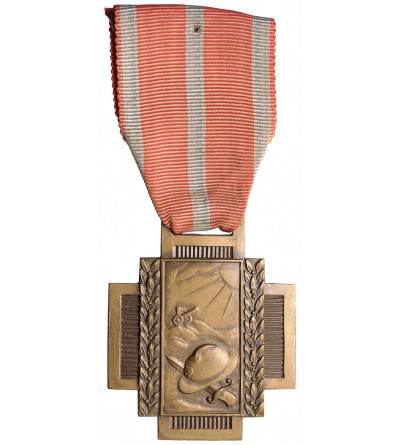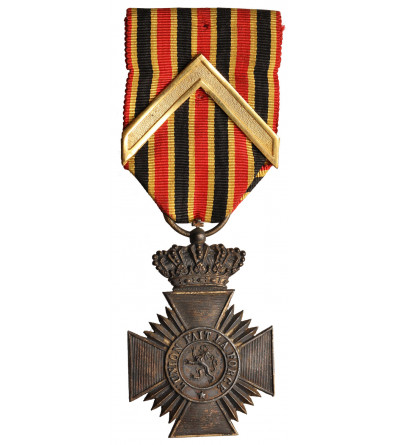
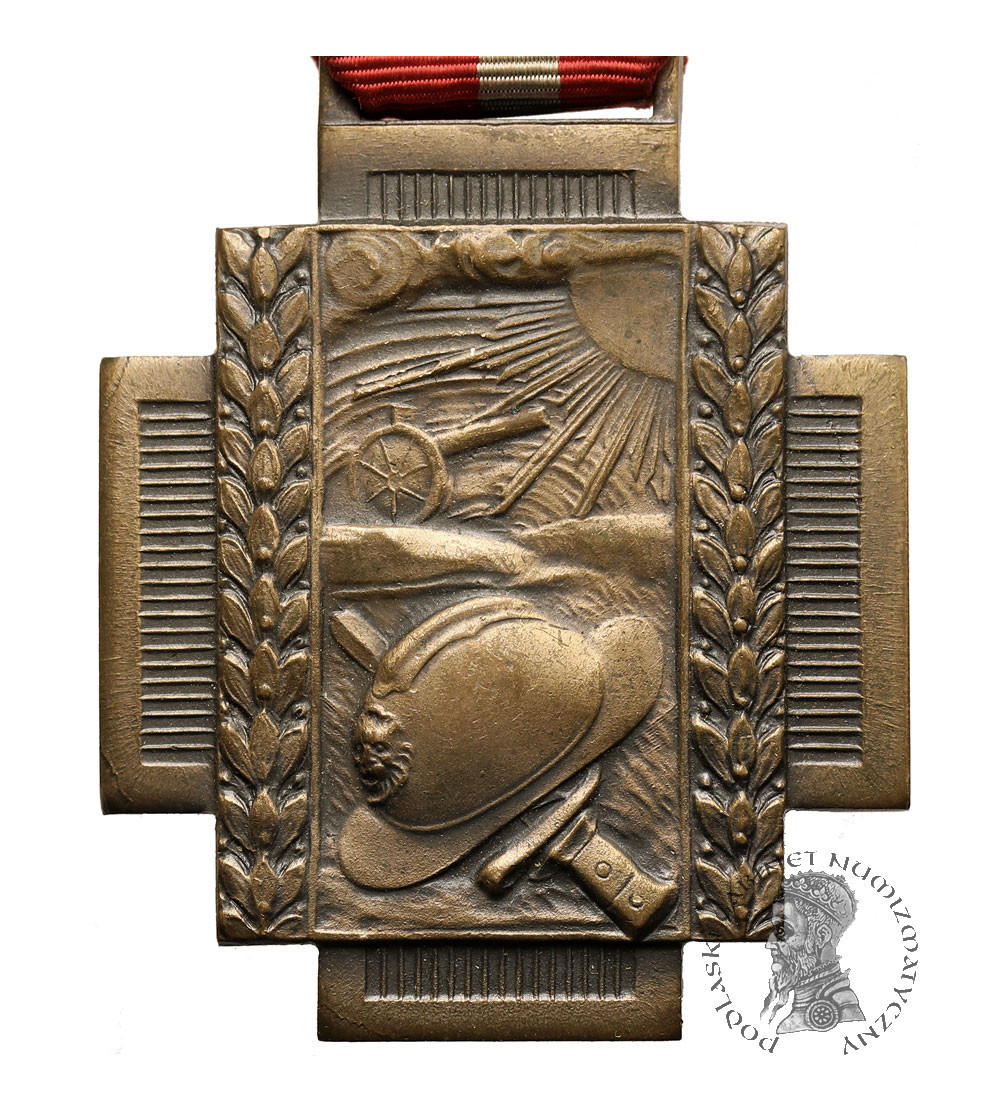
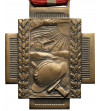
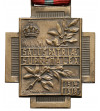
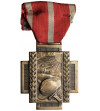
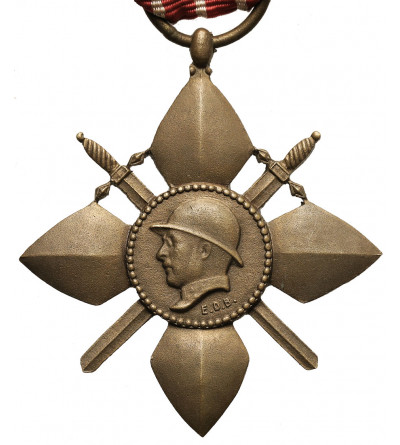
Belgium, Albert I Coburg (1909 - 1934). Fire Cross, (Croix de Feu/ Vuurkruis) 1914-1918, Literature: Borna Barac Belgia 161, by A. Rombaut Bronze 47 x 42 mm, weight 45.50 g., Condition XF+, ribbon
The cross was instituted on February 6, 1934, and was awarded to then living soldiers holding a “Fire Card” (Croix du Feu / Vuurkaart) who came under fire at the front, awarded to all who spent at least 32 months at the front during World War I.
(There are 16 other products in the same category)
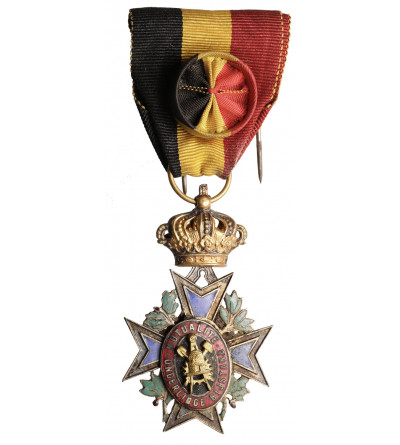
Belgium, Leopold II (1865 - 1909). Badge 1902 for industrial achievement "Mutualite Onderlinge Bustand", I Class, Literature: Borna Barac Belgium 71, gilt Silver, enamel 50 x 33 mm, weight 14,70 g., Condition XF, ribbon, original cardboard box
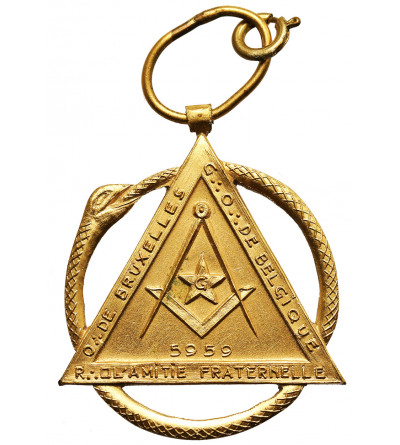
Belgium, Brussels. Masonic pendant 2010, 50 years of Fraternal Friendship in Brussels, Les 50 ans de L'Amitié Fraternelle à Bruxelles, gilt Bronze 50 x 32 mm (with ear piece), weight 10,70 g., Condition UNC
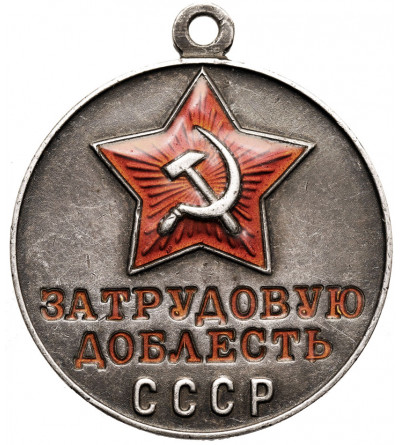
Russia / Soviet Union. Medal for Valiant Labour, instituted 1938, Silver, enamel 34 mm, weight 22,0 g. .925, Condition XF
Belgium, Albert I Coburg (1909-1934). Fire Cross, (Croix de Feu/ Vuurkruis) 1914-1918, Literature: Borna Barac Belgia 161, by A. Rombaut Bronze 47 x 42 mm, weight 46,20 g., Condition XF+, ribbon
The cross was instituted on February 6, 1934, and was awarded to then living soldiers holding a “Fire Card” (Croix du Feu / Vuurkaart) who came under fire at the front, awarded to all who spent at least 32 months at the front during World War I.
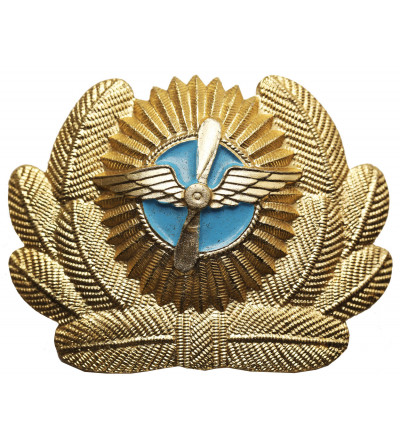
Russia, Soviet Union (U.S.S.R.). Air force bow tie badge for civil aviation pilots, aluminum, enamel, 60 x 45 mm, weight 11,20 g, Condition aUNC
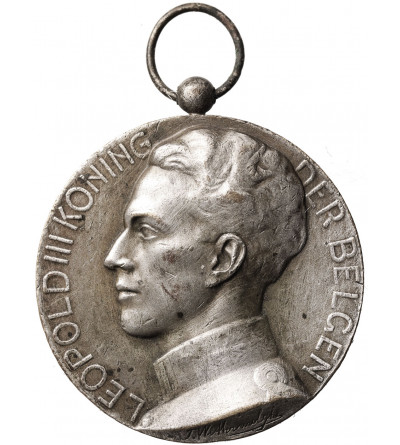
Belgium, Leopold III (1934-1951), Lokeren. Medal 1934 on the occasion of the Annual Fair, by J. Witterwulche, Silver plated Bronze 50 mm, weight 57,5 g., Condition aVF, cleaned, minor scratches
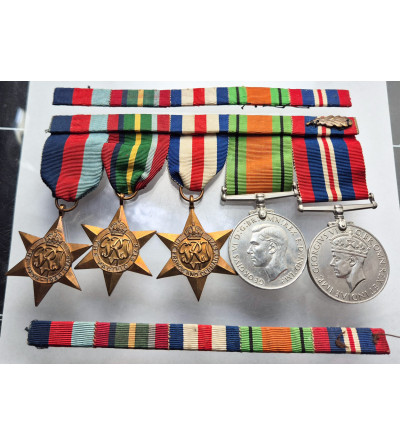
Great Britain, George VI (1936–1952). Set of five medals on a swing bar for World War II 1939-1945, the swing bar with ribbon and oak leaf, additionally two ribbon bars included in the set
- Bronze Star 1939-1945, Borna Barac, England-United Kingdom 172, six-pointed star with the royal cipher GRI VI in the center, surrounded by the title “THE 1939-1945 STAR,” Bronze 44x38 mm, Very Good Condition, original ribbon
- “Pacific Star”, Borna Barac, England-Great Britain 176, six-pointed star with royal cypher GRI VI in the center, rim bearing the title “THE PACIFIC STAR”, Bronze 44x38 mm, Very Good Condition, original ribbon
- “The France and Germany Star”, Borna Barac, England-Great Britain 179, six-pointed star with the royal cipher GRI VI in the center, with the title “THE FRANCE AND GERMANY STAR” on the rim, Bronze 44x38 mm, Very Good Condition, original ribbon
-...
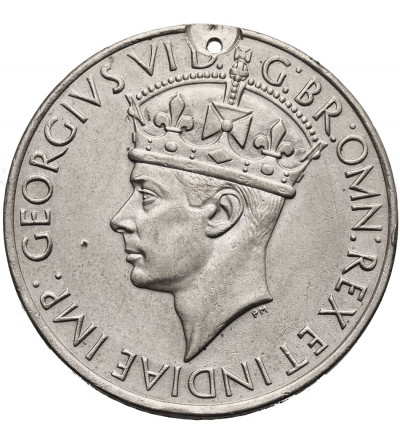
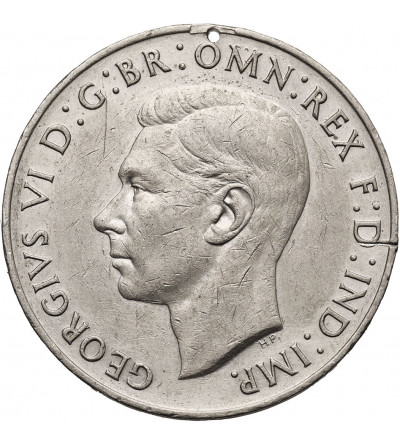
Great Britain, George VI (1936-1952). The War Medal 1939-1945, Cu-Ni 36 mm, weight 28,0 g., Condition aXF, missing mount and handle.
The War Medal 1939–1945 is a British campaign medal instituted by the United Kingdom on 16 August 1945. The medal was awarded to subjects of the British Commonwealth who had served full-time (28 days of service) in the Armed Forces or the Merchant Navy for at least 28 days between 3 September 1939 and 2 September 1945.
The medal was also available for subjects commissioned or enlisted into British Forces who had not received a similar award from their own Governments. Also eligible were full-time paid members of the specially approved colonial and other military forces, militarised police and militarised civilian bodies.
Personnel who were eligible for a campaign star but had had their service cut short by death, wounds or capture by...
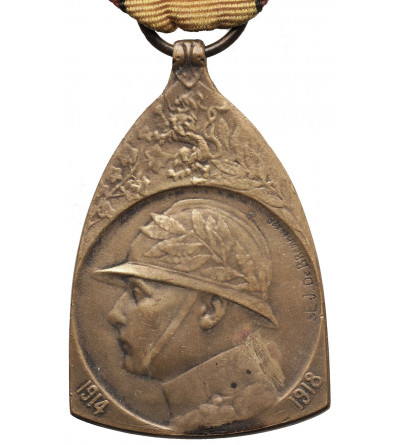
Belgium, Albert I Coburg (1909 - 1934). Commemorative Medal for the War 1914-1918, (Médaille Commémorative de la Guerre 1914-1918 / Oorlogsherinnerinsmedaille 1914-1918), Literature: BORNA Barac Belgium 147, Bronze 47 x 31 mm, weight 27,40 g., Condition aXF, ribbon
War medal established on July 21, 1919 by royal decree and awarded to all members of the Belgian Armed Forces who served during World War I and qualified for the Inter-Allied Victory Medal
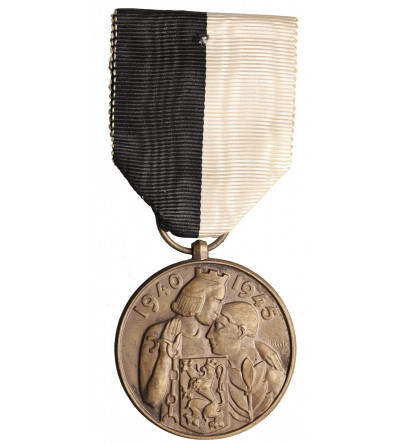
Belgium. Commemorative Resistance medal of the city of Ghent 1940-1945, from World War II for its citizens who joined the resistance and fought the Nazis during the German occupation of Belgium, by Rette, Inscriptions in Latin: "Gandavum" (Ghent) and "Cives Magnae Virtutis Colit" (Honors citizens of great virtue), Bronze 37 mm, weight 25,10 g., Condition UNC, ribbon
Belgium. Military decoration for long service (Decoration Militaire), I Class, instituted 1846, Literature: Borna Barac Belgium 51, gilt Bronze 45 x 33 mm, weight 25,30 g., Condition XF, dark patina, ribbon
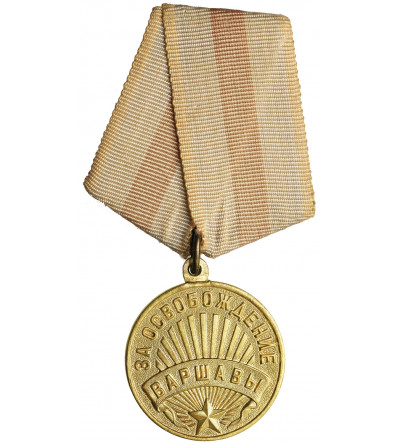
Russia / Soviet Union. Medal Liberation of Warsaw 1945, Literature: Borna Barac Soviet Union 918, instituted 1945, gilt metal 32 mm, weight 28,80 g., Condition aUNC
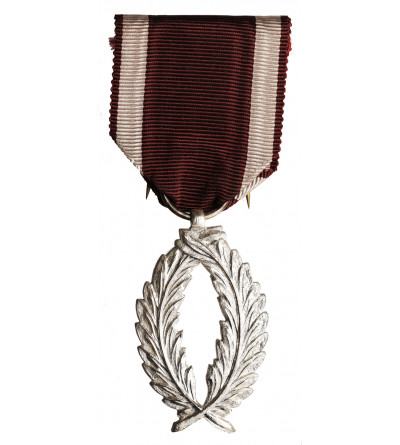
Belgium, Leopold II (1865-1909). Order of the Crown (Ordre de la Couronne / Kroonorde) - Silver Palm, the national order of the Kingdom of Belgium established on October 15, 1897, it is one of the highest awards in Belgium, Silver plated metal 46 x 28 mm, weight 16,20 g., Condition UNC, ribbon
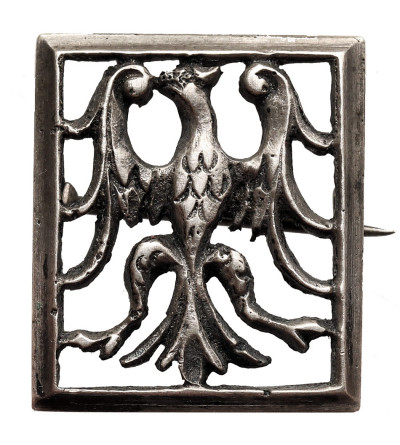
Silver brooch with an eagle, Silver 22 x 18 mm, weight 4,80 g. .800, Condition XF, patina
Great Britain, George VI (1936-1952). The Defence Medal 1939-1945, Cu-Ni 36 mm, weight 28,0 g., Condition VF+/aXF, missing mount and handle.
The Defence Medal is a campaign medal that was instituted by the United Kingdom in May 1945 and awarded to subjects of the British Commonwealth for both non-operational military and certain types of civilian service during the Second World War (source: identifymedals.com)
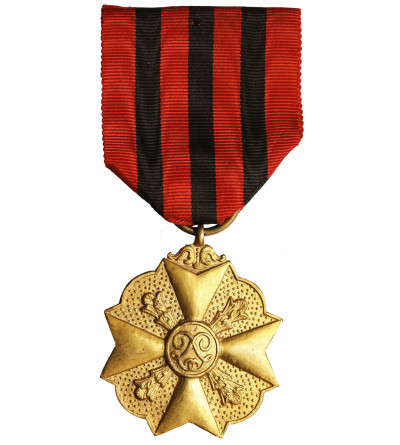
Belgium, Leopold II (1865-1909). Gold Medal First Class, civilian decoration for long administrative service, instituted 1867, Literature: Borna Barac Belgium 96, gilt Bronze 33 mm, weight 18,30 g., Condition UNC, ribbon
Belgium, Albert I Coburg (1909 - 1934). Fire Cross, (Croix de Feu/ Vuurkruis) 1914-1918, Literature: Borna Barac Belgia 161, by A. Rombaut Bronze 47 x 42 mm, weight 45.50 g., Condition XF+, ribbon
The cross was instituted on February 6, 1934, and was awarded to then living soldiers holding a “Fire Card” (Croix du Feu / Vuurkaart) who came under fire at the front, awarded to all who spent at least 32 months at the front during World War I.