Polski
 English


- New
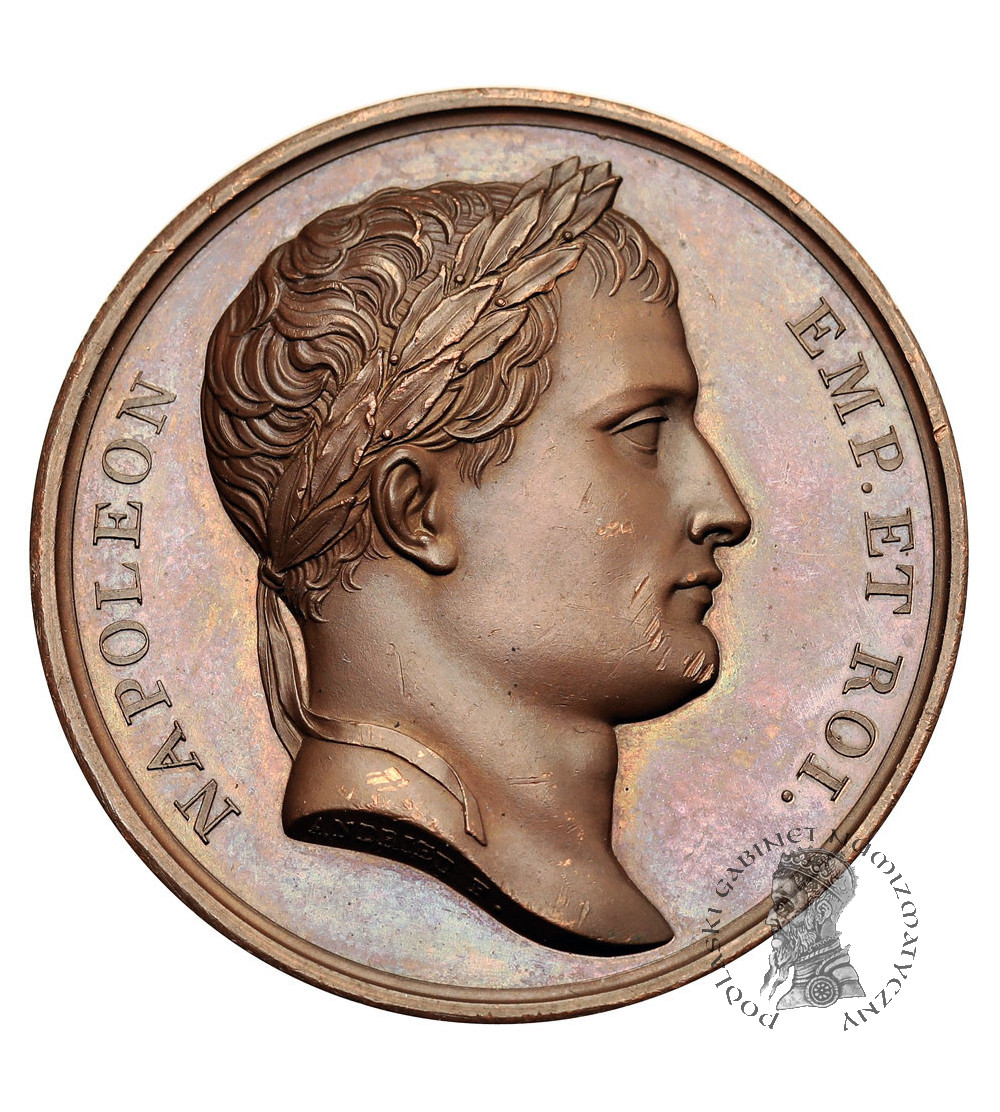
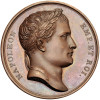
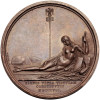
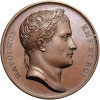
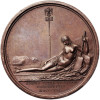
France / Poland, Napoleon I Bonaparte. Medal 1807 commemorating the French army’s crossing of the Vistula River in 1806 / 1807, Bertrand Andrieu and A. Brenet, Bramsen 620, Julius 1714, Bronze 40,5 mm, weight 37,5 g., Condition aUNC/XF+, a beautiful brown patina with subtle shades, fine scratches on the surface and edges, mint luster in the background
France / Poland, Napoleon I Bonaparte. Medal 1807 commemorating the French army’s crossing of the Vistula River in 1806 / 1807, Bertrand Andrieu and A. Brenet, Bramsen 620, Julius 1714, Bronze 40,5 mm, weight 37,5 g., Condition aUNC/XF+, a beautiful brown patina with subtle shades, fine scratches on the surface and edges, mint luster in the background
Following his victories over Prussia in late 1806, Napoleon Bonaparte and his Grand Army crossed the Vistula River on December 6, 1806, at Toruń (Thorn), and then in the following days of December 1806—for example, on the 23rd and 24th under the command of Marshal Davout—and in early 1807, to attack the Tsar’s army, moving his headquarters to Warsaw on December 19, 1806. Despite harsh winter conditions, Napoleon ordered his troops to cross the Vistula to confront the Russian forces under Bennigsen’s command. This move was part of the winter campaign in Poland, aimed at forcing a decisive battle. After one of the bloodiest battles of the Napoleonic era, the Battle of Prussian Iława, fought on February 7–8, 1807, the French army established winter quarters, relying heavily on key, fortified crossings of the Vistula in towns such as Toruń (Thorn)—which had been abandoned by the Prussian army—to secure its positions and logistics.
Napoleon’s army carried out further crossings in late spring 1807, preparing for the final summer campaign, which culminated in a decisive victory at the Battle of Friedland in June 1807.