Polski
 English


- New
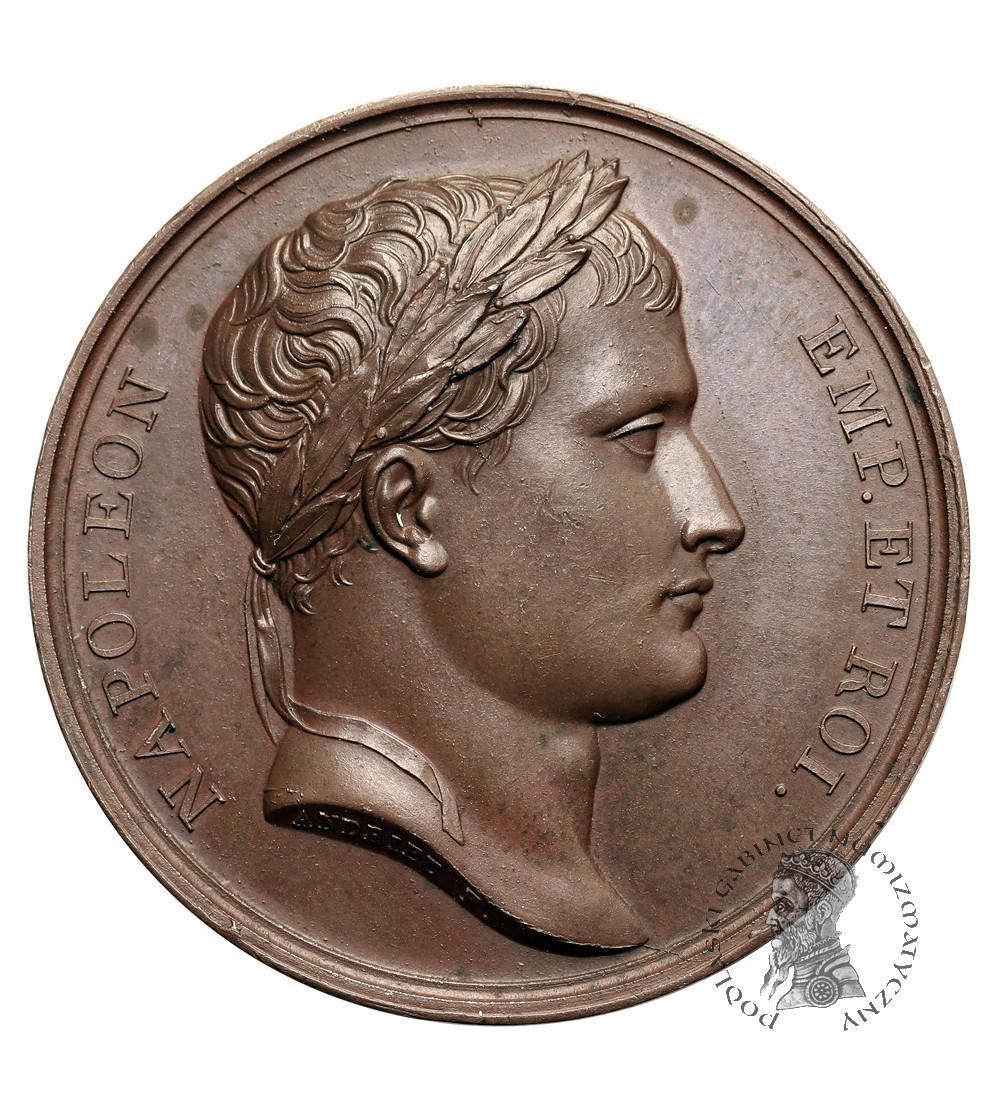
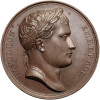
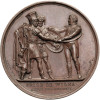
Poland / France, Napoleon I (1804 - 1814, 1815). Bronze medal by Andrieu and Denon`a, minted in 1812 in memory of the liberation of Vilnius by the Napoleonic army. H-Cz. 4795, Zeitz 125, Bramsen 1196. Tyszk. 26 mk, Bronze 40,7 mm, weight 37,80 g., Condition UNC, beautiful brown patina
Obv.: Napoleon`s laureate head, around the inscription: NAPOLEON EMP. ET ROI, the signature below: ANDRIEU F.
Rew.:Standing Napoleon accepts surrender of the city by receiving sword and shield from two men dressed in ancient garb, inscription below: PRISE DE WILNA / XXVIII JUIN MDCCCXII, signature: DENON DIR. / ANDRIEU F.
In Vilnius in 1812, Napoleon Bonaparte appeared twice during his Russian campaign: at the start of the march on Moscow (in June 1812) and during the tragic retreat (in December 1812).
1. Arrival in Vilnius (June 1812) – Triumph and Hopes
• When: In late June 1812.
• Napoleon’s army (the Grande Armée) crossed the Neman River and captured Vilnius, as the retreating Russian forces offered little resistance there.
• The local population and the Polish nobility welcomed Napoleon with high hopes for regaining independence and rebuilding the Polish state.
• Napoleon established the Provisional Government of the Grand Duchy of Lithuania in Vilnius and planned to mobilize troops.
• However, it turned out that French soldiers began looting the area, and enthusiasm quickly waned in the face of supply difficulties. Napoleon spent over two weeks in the city, organizing his logistics before continuing his march deeper into Russia.
source: Facebook - Lithuania Strong
2. The Return and Retreat from Vilnius (December 1812) – A Catastrophe and a Graveyard
• When: December 1812.
• Devastated, starving, and freezing, the Grande Armée, fleeing from Moscow, reached Vilnius in the first days of December 1812.
• What was supposed to be a safe place to rest and resupply turned into a vast hospital and graveyard. The city’s warehouses contained food and ammunition, but such chaos reigned that the demoralized and exhausted remnants of the army rushed the stores, while the Russian army was rapidly closing in.
• Napoleon himself stayed in Vilnius only briefly, after which he secretly abandoned his soldiers and set off at a hurried pace for Paris to save his rule.
• In Vilnius itself and the surrounding area, another 12,000 to 20,000 soldiers of the Grand Army died from cold, hunger, typhus, and wounds.
source: BBC